The appearance of the inner thighs is not determined by body weight or the amount of fat alone. Fat distribution, skin elasticity, excess skin, stretch marks, and the patient’s overall leg anatomy should all be evaluated together.
Increased fat deposits along the inner thighs may cause the legs to rub against each other while walking and may make the contour appear wider. If skin quality is good and the primary concern is localized fat, liposuction may be used to reshape the area in suitable patients.
However, when significant skin laxity and sagging are present, reducing fat alone may not be sufficient. A thigh lift may be required, particularly when excess skin has developed following significant weight loss.
In Dr. Atilla Fesli’s approach, the goal is not to remove as much fat or skin as possible, but to create a more balanced thigh contour by considering skin quality, fat distribution, and overall leg proportions together.
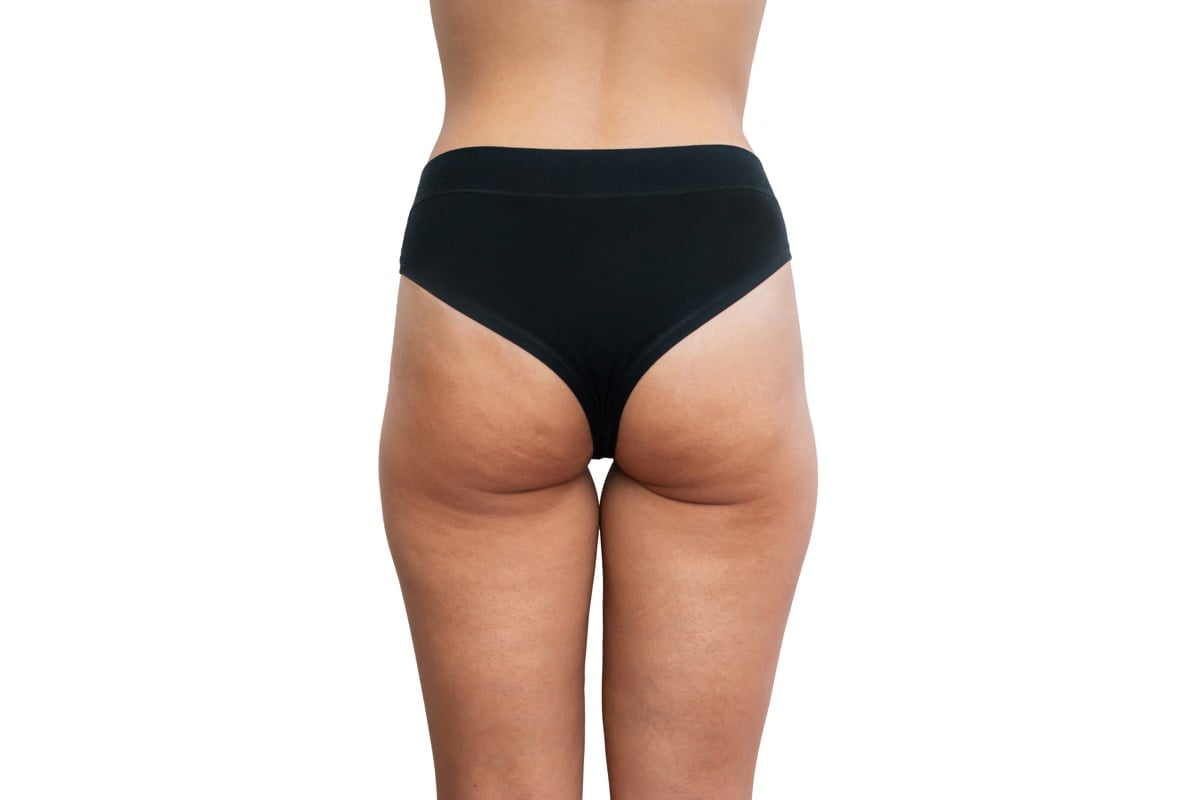
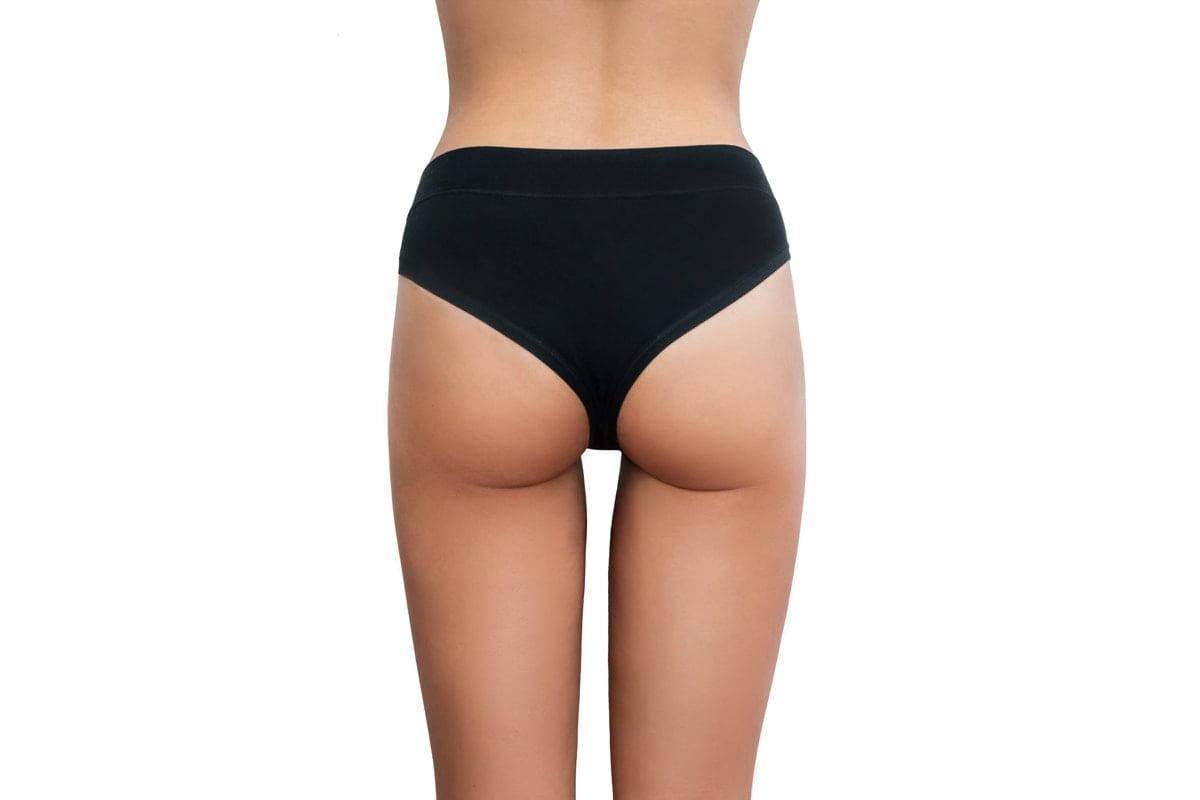
Thigh lift surgery aims to reduce loose and excess skin, particularly along the inner thigh, and reshape the contour of the leg.
If localized fat deposits accompany excess skin, liposuction may also be incorporated into the surgical plan in suitable patients.
After significant weight loss, the skin may not contract sufficiently, resulting in folds, sagging, and friction along the inner thighs.
The goal is not simply to create thinner legs, but to achieve a thigh contour that is better balanced with the patient’s skin, fat distribution, and overall body proportions.
Patients with significant skin laxity or excess skin along the inner thighs may be considered for thigh lift surgery.
Surgery may be particularly appropriate for patients who have reached a stable weight following significant weight loss but are left with excess skin around the thighs.
If skin elasticity is good and the main concern is localized fat alone, liposuction may be sufficient instead of a thigh lift.
Therefore, the fundamental question in patient selection is:
Is the concern caused by excess fat, excess skin, or a combination of both?
Not every case of inner-thigh fullness or thighs touching each other requires a thigh lift.
The way the thighs meet is influenced not only by fat volume but also by pelvic structure and the individual’s natural anatomy. Therefore, surgery cannot guarantee that the thighs will never touch each other.
For patients who are continuing to lose a significant amount of weight, surgery may be postponed until their weight has become relatively stable.
Uncontrolled systemic conditions, increased surgical or thrombosis risk, and factors that negatively affect wound healing should also be evaluated before surgery.
Smoking and other nicotine products are particularly important because of their effects on wound healing.
A thigh contouring consultation is not limited to the question, “How much thinner can my legs become?”
During the examination, Dr. Atilla Fesli evaluates fat distribution along the inner thighs, skin elasticity, the degree of sagging, stretch marks, the groin area, and the overall contour of the legs extending toward the knees.
Natural differences between the right and left legs are also taken into consideration.
In patients who have experienced significant weight loss, it is particularly important to determine whether the excess skin is limited to the upper thigh or extends further down toward the knee.
This assessment helps determine whether liposuction alone may be sufficient and, if a thigh lift is required, how extensive the surgical scar may need to be.
The same thigh lift technique is not appropriate for every patient.
Liposuction may be considered in suitable patients with good skin quality and elasticity when localized fat is the primary concern.
Liposuction reduces fat tissue but does not remove significant excess skin.
When excess skin is concentrated in the upper thigh close to the groin, a more limited lift with an incision positioned near the groin crease may be considered in selected patients.
If excess skin extends further down the thigh, lifting the tissues only from the groin area may not provide sufficient correction.
In these cases, an additional vertical incision extending along the inner thigh toward the knee may be required.
When both excess fat and loose skin are present, the two techniques may be considered within the same surgical plan in appropriate patients.
In Dr. Atilla Fesli’s approach, the incision is kept as limited as reasonably possible. However, rather than compromising the correction simply to achieve a shorter scar, the goal is to find an appropriate balance based on the patient’s anatomy.
A thigh lift is a surgery that leaves a scar.
When excess skin is limited, the incision may be positioned close to the groin crease and planned to be less visible beneath underwear where anatomy allows.
However, if excess skin extends further down the thigh, an incision limited to the groin may not be sufficient.
In these cases, an additional vertical scar extending along the inner thigh toward the knee may be required.
This longer incision is not necessary for every patient.
The length and location of the scar are determined according to the distribution and amount of excess skin before surgery. Scars generally mature over time, but they cannot be guaranteed to become completely invisible.
These two procedures address different problems.
Liposuction reduces fat tissue. A thigh lift removes excess and loose skin.
For a patient with good skin elasticity, unnecessary skin removal may not be appropriate. Conversely, when significant excess skin is present, liposuction alone may not achieve the desired result and may sometimes make the remaining skin laxity more noticeable.
The decision should therefore be based less on body weight alone and more on the relationship between fat distribution and skin quality.
A thigh lift is not specifically a treatment for stretch marks.
Stretch marks located on the skin that is surgically removed will be removed along with that skin. However, stretch marks outside the area of skin removal will remain.
It would therefore be unrealistic to expect all stretch marks to disappear following surgery.
The presence of stretch marks may also provide useful information when evaluating the quality and elasticity of the skin.
Thigh lift surgery is generally performed in an appropriately equipped hospital and operating room.
General anesthesia is commonly used, although alternative anesthesia options may be considered for more limited procedures depending on the patient and surgical plan.
The duration of surgery varies according to the technique, the amount of skin being removed, and whether additional procedures such as liposuction are performed.
For this reason, rather than stating that the procedure always takes a fixed amount of time, such as one or two hours, the expected duration should be determined according to the individual surgical plan.
The need for an overnight hospital stay is also determined by the extent of surgery and the patient’s postoperative condition.
Swelling, bruising, tightness, and tenderness may occur during the first few days after a thigh lift.
Patients may feel tension around the incision while walking, and movement may need to be controlled during the early recovery period.
A compression garment may be recommended for some patients.
Rather than applying fixed rules such as “10 days of restricted movement” or “exactly three weeks of compression garments” to every patient, postoperative instructions should be based on the extent of surgery and individual healing.
Early and controlled mobilization may also be important in reducing the risk of blood clots.
Return to daily activities, work, and exercise is planned gradually according to the patient’s recovery.
The timing of showering depends on the condition of the incisions, the dressings used, and the surgeon’s postoperative protocol.
Therefore, rather than applying a universal rule such as “you can shower on the second day,” patients should follow their individualized postoperative instructions.
Wound care and, when appropriate, scar-care products are also planned during follow-up appointments.
During the early recovery period, movements that excessively separate the legs, place tension on the incisions, or involve heavy physical activity may need to be avoided.
Scar appearance is one of the most important considerations in thigh lift surgery.
Scars in the groin or along the inner thigh may initially appear red, dark, or prominent. They are expected to mature gradually over time.
However, depending on individual healing characteristics, widened, darker, or raised scars may develop.
Numbness, reduced sensitivity, or altered sensations may also occur in certain areas following surgery.
Some of these changes may improve with time, although persistent sensory changes are also possible.
Like any surgical procedure, thigh lift surgery is not risk-free.
Possible complications include bleeding, hematoma, infection, seroma, wound separation, delayed wound healing, prominent scars, asymmetry, and contour irregularities.
Movement, moisture, and tension on the tissues around the groin may influence wound healing.
Because of the lymphatic structures in the thigh and groin, prolonged swelling or lymphatic fluid-related problems may also occur.
For more extensive procedures, the individual risk of uncommon but serious complications such as deep vein thrombosis (DVT) and pulmonary embolism (PE) should also be assessed.
For this reason, surgical planning considers not only the aesthetic goal but also the patient’s general health and individual surgical risk profile.
In suitable patients, a thigh lift may be considered together with liposuction, tummy tuck, or other body contouring procedures.
Patients who have experienced major weight loss often have excess skin in several areas of the body.
However, performing all procedures during the same surgical session is not always appropriate.
The total duration of surgery, blood loss, wound surface area, the patient’s general health, and thrombosis risk should all be considered. In some cases, performing procedures in separate stages may be the safer approach.
The human body is naturally not perfectly symmetrical.
Pelvic structure, muscle development, fat distribution, and excess skin may differ between the right and left legs.
A thigh lift may reduce noticeable differences, but mathematically perfect symmetry cannot be guaranteed.
Likewise, the goal of surgery is not to make the legs as thin as possible or to guarantee that the thighs will never touch while walking.
The objective is to create a more balanced thigh contour within the patient’s natural anatomy.
The skin removed during surgery does not grow back in the same way, but the natural aging process continues.
Skin elasticity can change over time.
Significant weight gain or another period of major weight loss may affect the thigh contour and contribute to new skin laxity.
Maintaining a relatively stable weight is therefore important in supporting the long-term result.
During postoperative follow-up, wound healing, swelling, fluid accumulation, skin circulation, and the incision lines are evaluated.
The use of compression garments, daily activity, and return to exercise are adjusted according to individual recovery.
Swelling and scar appearance during the first few weeks do not represent the final result.
It may take several months for the contour to settle and particularly for the surgical scars to mature.
The final result should therefore be assessed only after the tissues have been given sufficient time to heal.
What is thigh lift surgery?
A thigh lift is a surgical procedure designed to remove significant excess and loose skin from the thigh area and reshape the contour of the legs.
Can inner-thigh fat be treated with liposuction alone?
If skin elasticity is adequate and excess fat is the primary concern, liposuction may be appropriate. When significant excess skin is present, however, liposuction alone may not be sufficient.
My thighs rub together when I walk. Will liposuction completely stop this?
Reducing inner-thigh volume may help decrease friction in suitable patients. However, whether the thighs touch is influenced not only by fat volume but also by pelvic and leg anatomy, so complete elimination of thigh contact cannot be guaranteed.
Does thigh lift surgery leave a scar?
Yes. A thigh lift leaves a surgical scar. The length and position of the scar depend on the amount and distribution of excess skin.
Will the scar only be in the groin?
Not always. When excess skin is limited, the incision may remain close to the groin crease. If sagging extends further down the thigh, an additional scar extending along the inner thigh toward the knee may be required.
Does everyone need a scar extending toward the knee?
No. Whether a vertical scar is necessary depends on the distribution of excess skin.
Will the scar disappear completely?
No. Scars may become less noticeable over time, but they cannot be guaranteed to disappear completely.
Can a thigh lift remove stretch marks?
Only stretch marks located on skin that is surgically removed will be removed with that skin. Stretch marks on the remaining skin will remain.
Is a thigh lift a weight-loss procedure?
No. Neither thigh lift surgery nor thigh liposuction is a treatment for obesity. The primary purpose is to improve body contour.
Can thigh lift and liposuction be performed together?
Yes, in suitable patients. When both excess fat and loose skin are present, the two techniques may be incorporated into the same surgical plan.
Is thigh lift surgery painless?
It would not be appropriate to guarantee a “painless operation.” Tightness, tenderness, and pain may occur after surgery. The degree varies between patients, and an appropriate pain-management plan is provided.
When can I walk after surgery?
When medically appropriate, early and controlled walking is generally an important part of recovery. The amount of activity and any restrictions are determined by Dr. Atilla Fesli according to the procedure and the patient’s condition.
How long will I need to wear a compression garment?
Whether a compression garment is required and how long it should be worn depend on the surgical technique and individual recovery. The same duration does not apply to every patient.
When will I see the final result?
Changes may be visible early, but swelling reduction, tissue settling, and scar maturation take several months. The appearance during the first few weeks is not the final result.
Can the thighs become loose again after a thigh lift?
Aging and changes in skin elasticity continue after surgery. Significant weight fluctuations may also affect the long-term result.
Can patients living outside Türkiye have surgery?
An initial assessment and surgical planning can be discussed with Dr. Atilla Fesli in Antalya, Türkiye or Doha, Qatar. For international patients, postoperative follow-up and travel plans should be coordinated carefully with the surgical recovery process.
Patients considering thigh lift surgery or thigh liposuction can arrange a consultation with Dr. Atilla Fesli in Antalya or Doha, Qatar.
The consultation is not limited to the question, “How much fat can be removed from my thighs?”
Fat distribution, skin elasticity, how far the sagging extends along the thigh, stretch marks, existing asymmetries, and the patient’s overall leg-to-body proportions are evaluated together.
This assessment helps determine whether liposuction alone may be sufficient, whether a thigh lift is required, and, if surgery is indicated, what scar length and position may be appropriate.
The correct procedure for thigh contouring is not determined by the amount of fat alone.
If skin quality is good, liposuction may be sufficient. When significant excess skin is present, a thigh lift may be necessary.
In Dr. Atilla Fesli’s approach, the objective is neither to compromise the correction simply to achieve the shortest possible scar nor to remove the maximum amount of tissue.
The goal is to create an individualized, balanced, and safe surgical plan based on skin quality, fat distribution, and the patient’s natural leg proportions.
Dr. Atilla Fesli
Antalya, Türkiye • Doha, Qatar
Natural. Balanced. Still You.
Op. Dr. Atilla Fesli
Doha, Qatar
Plastic and Aesthetic Surgery in Doha, Qatar

Op. Dr. Atilla Fesli © All Right Reserved.